
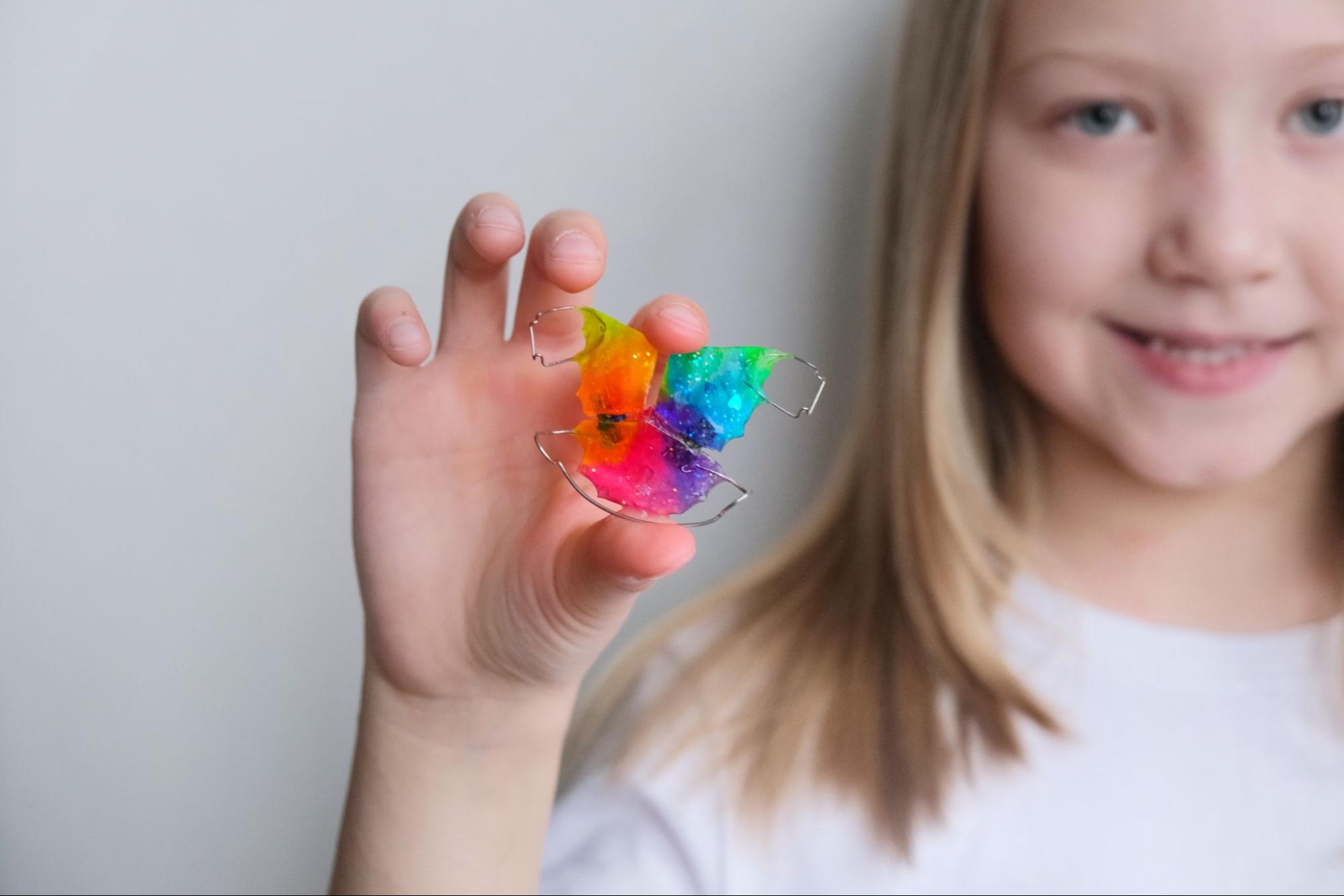
Klein + Walker + Weber Orthodontics is proud to be your go-to resource in Olathe, West Olathe, and Overton Park for everything orthodontics, and a big part of that is keeping you informed when it comes to maintaining your smile! When you’ve completed primary care with orthodontics, you’ve done a lot of work, but it’s important to keep that up with proper retainer use! A little knowledge goes a long way, so let’s get into (almost) everything you need to know when it comes to retainers!
Why Retainers Are Essential
Finishing treatment is a major accomplishment, but the work doesn’t stop when your braces or aligners come off. Retainers are what make those results last. Once your teeth have moved into their ideal positions, they need time to stabilize while the surrounding tissues adjust. Retainers protect all that progress and keep your smile secure for the long term.
What Happens to Teeth After Braces or Aligners
After orthodontic treatment, the ligaments that hold your teeth in place are still flexible. They have what orthodontists call “memory”, which is a tendency to pull teeth back toward where they used to be. Your retainer counteracts that memory, holding everything steady while bone and tissue adapt to the new alignment.
For most patients, that adaptation period takes several months. During that time, wearing your retainer faithfully helps ensure that your new smile settles in exactly as planned.
Consistency in those early months makes all the difference.
The Science of Retention – Bone, Ligaments, and Movement
Every tooth sits in a socket surrounded by bone and tiny connective fibers. These fibers are remarkably resilient and can stretch as teeth move. When braces or aligners come off, that network is still reorganizing, rebuilding structure around each tooth’s new position.
A retainer gives your mouth the stability it needs for that process to complete naturally. Without one, those same fibers can tighten unevenly and begin pulling your teeth back toward their old arrangement.
That’s why retainers are such an important part of care. They don’t just preserve the appearance of your smile; they help the body complete what treatment began.
Risks of Skipping or Ignoring Retainers
It only takes a short period of neglect for small shifts to begin. Over time, those tiny changes can turn into visible movement, especially in the lower front teeth. Many adults who come back for retreatment years later say the same thing: they stopped wearing their retainers.
Keeping your smile in place is easy. You’ve already done the hard part.
Types of Retainers and How They Work
Every smile is different, and so is every retention plan. Dr. Klein, Dr. Walker, and Dr. Weber customize each one to match your treatment history, bite pattern, and lifestyle. The right retainer keeps your results secure without adding unnecessary hassle.
Removable Clear or Plastic Retainers
These modern retainers are made from thin, transparent plastic molded perfectly to your teeth. They’re subtle, comfortable, and easy to wear, which makes them a favorite among both adults and teens.
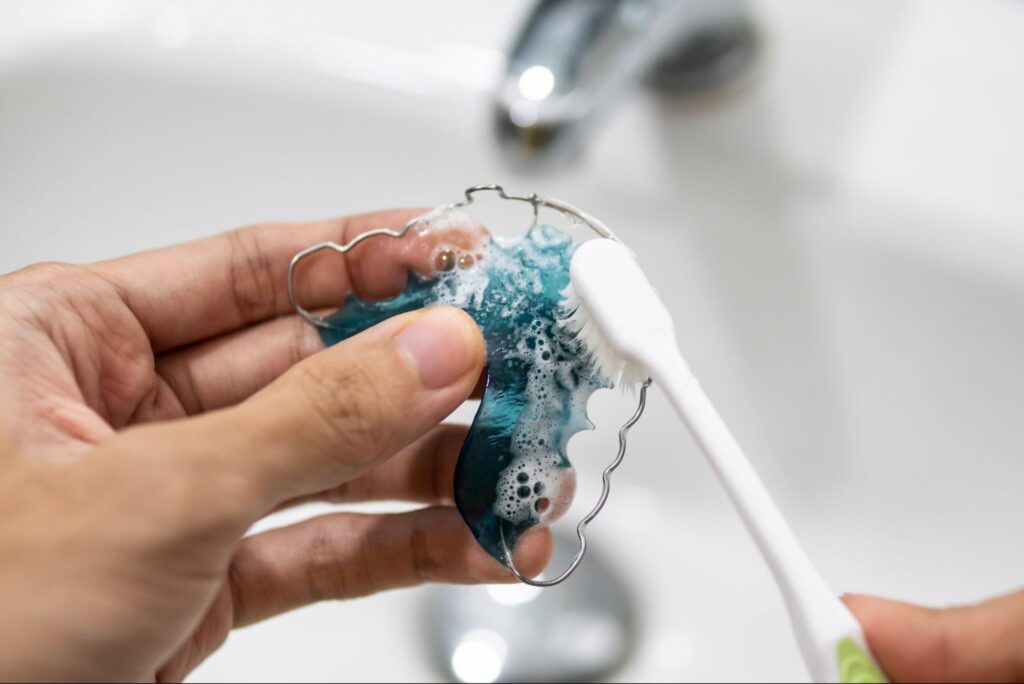
Because they’re removable, clear retainers make eating, brushing, and cleaning effortless. They can be worn full-time right after treatment, then gradually reduced to nighttime wear once your teeth are stable. When you’re not wearing them, they should always be stored safely in their case to avoid damage or warping.
Patients appreciate that clear retainers are easy to maintain and nearly invisible. That combination of convenience and discretion makes them one of the simplest ways to protect your investment in a straight, confident smile.
Fixed (Bonded) Retainers
Fixed retainers are thin wires attached to the back of certain teeth, usually the lower front six. They’re invisible to others and stay in place around the clock, holding your teeth perfectly aligned without any extra effort from you.
This type of retainer works continuously, which makes it ideal for patients who want a set-it-and-forget-it approach. However, bonded wires do require slightly more attention during brushing and flossing to prevent buildup around the attachment points.
The skilled team at Klein + Walker + Weber Orthodontics will show you exactly how to clean around your fixed retainer so it remains strong and comfortable.
Choosing the Right Retainer for You
There’s no one-size-fits-all answer when it comes to retention. Some patients benefit from removable retainers, others from bonded options, and many use a combination of both. Your doctor will help determine what’s best based on your treatment history, tooth stability, and lifestyle habits.
How Long Should You Wear a Retainer?
In orthodontics, retention is forever. That might sound intimidating, but wearing a retainer long-term is the simplest, most effective way to maintain your results. Think of it as routine maintenance for your smile, just like brushing and flossing; it becomes second nature once it’s part of your routine.
Daytime vs. Nighttime Wear
Most patients start out wearing their retainers full-time immediately after treatment. This helps stabilize the teeth while the surrounding tissues adapt. After a few months, you can typically switch to nighttime-only wear.
Your orthodontist will guide you on when that transition makes sense based on your progress. Sticking with the schedule ensures your teeth stay right where they’re meant to be.
Even a few hours of wear each night is enough to protect your smile for years to come.
Life-Long Retention
Teeth can shift slightly throughout life as we age, even without orthodontic relapse. Continued retainer wear prevents that natural drifting and keeps your alignment steady. Many patients find that wearing retainers at night is a simple habit they never give up. This ongoing commitment requires very little effort and guarantees long-lasting results. A few minutes of responsibility lead to decades of confidence.
What to Do If You Lose or Damage Your Retainer
Lost or broken retainers are common, but they’re also easy to replace. If something happens, call Klein + Walker + Weber Orthodontics right away. The team can take a quick digital scan of your teeth and create a perfect replacement in minimal time.
Delaying even a week or two can allow teeth to start shifting, so prompt replacement keeps your smile safe.
A quick call and a new retainer are all it takes to keep your results right where you want them.
Ready to Keep Smiling?
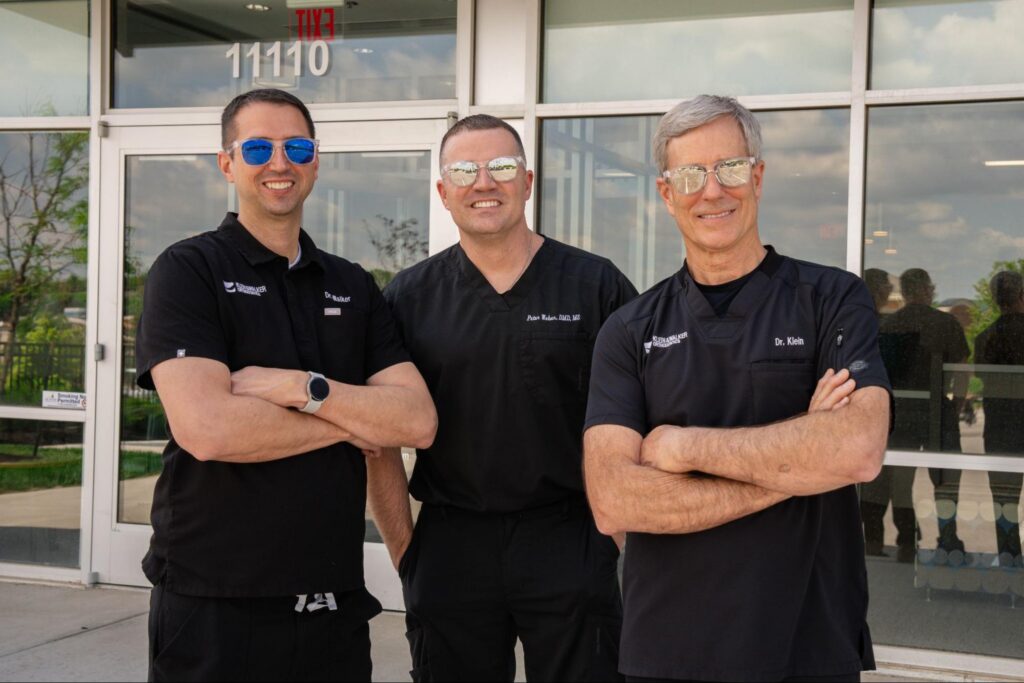
Understanding how retainers work is just one part of maintaining a healthy, confident smile. At Klein + Walker + Weber Orthodontics, we’re here for every step of your journey, from your first consultation to long-term care that keeps your results shining.
Whether you’re exploring braces or aligners for the first time, replacing a retainer, or helping your child start treatment, our team provides customized care for patients of all ages in Olathe, West Olathe, and Overland Park.
Your consultation is always free, and our doctors are ready to help you find the treatment plan that fits your smile and your life. Schedule your visit today and see why families across Johnson County trust Klein + Walker + Weber Orthodontics to keep them smiling confidently for years to come.